 Break the Formula →
Break the Formula →
Break the Formula →

Any category in advertising has formulas — a set of beats so worn we all recognize them and tune them out. Get to know them. Then break them.
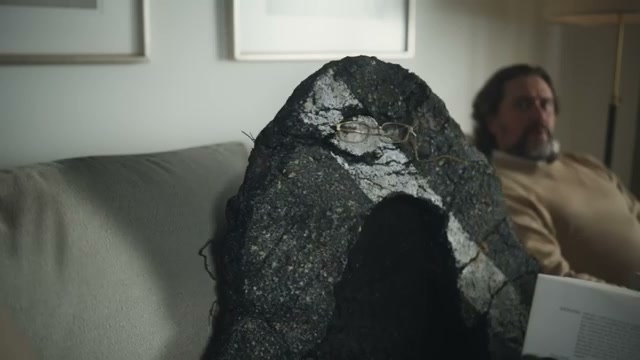
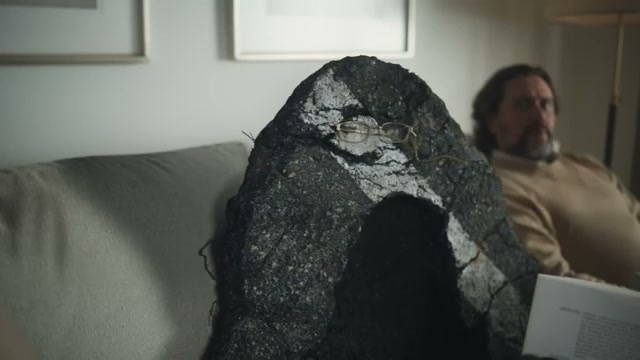
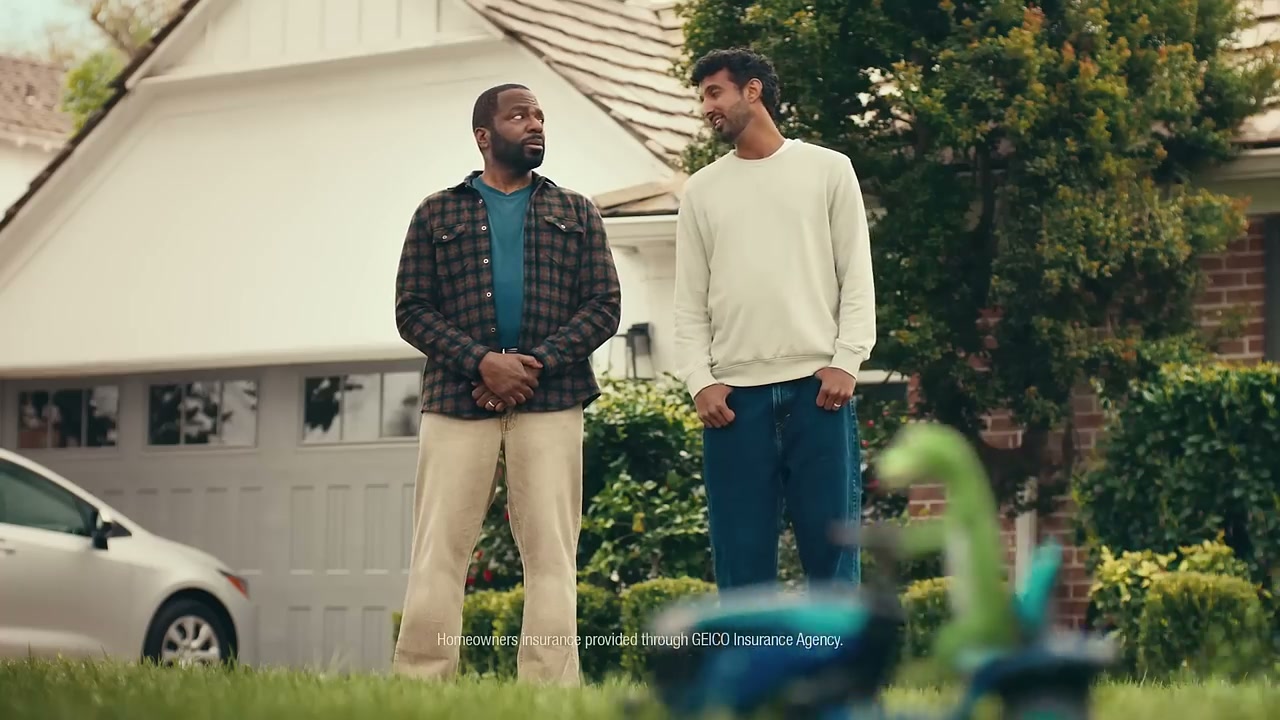
Insurance ads are populated by proprietary recurring characters — the hazard given a face and the brand's own mascot — who make direct eye contact with the viewer, coexist with unfazed bystanders, share the frame with real athletes, and occasionally perform the jingle or reveal the film crew shooting them.
















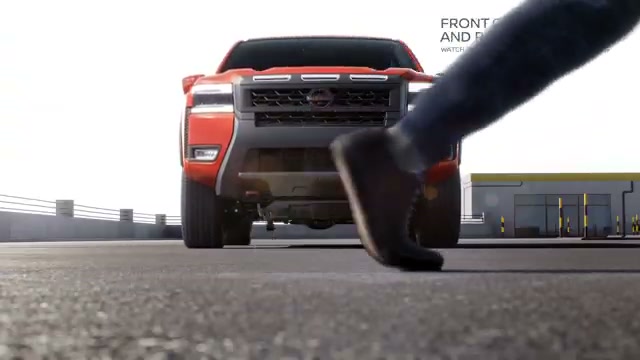
The American car spot proves the product through staged demonstration — a pickup hauling an oversized load, a safety system braking before a near-collision, an electric vehicle glowing at night — then closes on a graphic card naming a branded sales event, an APR, and an expiration date in early January.














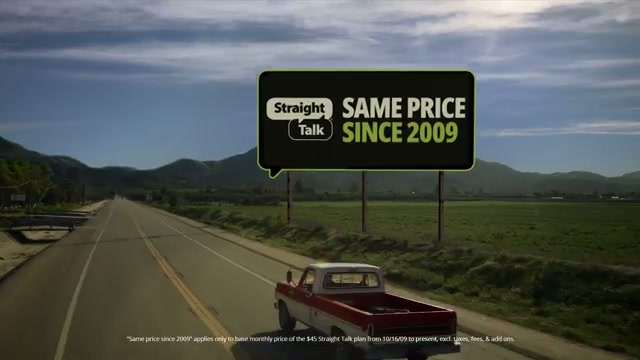
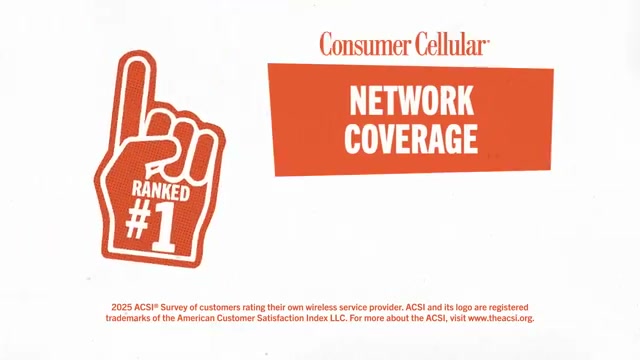
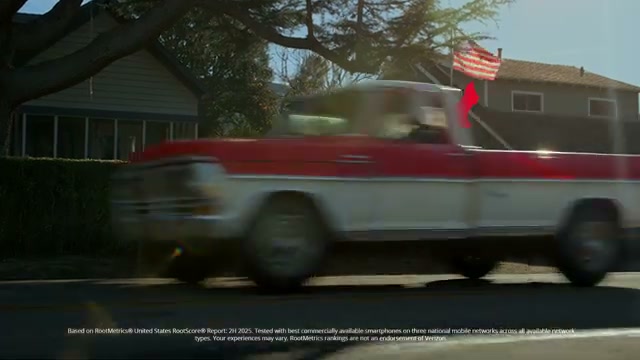
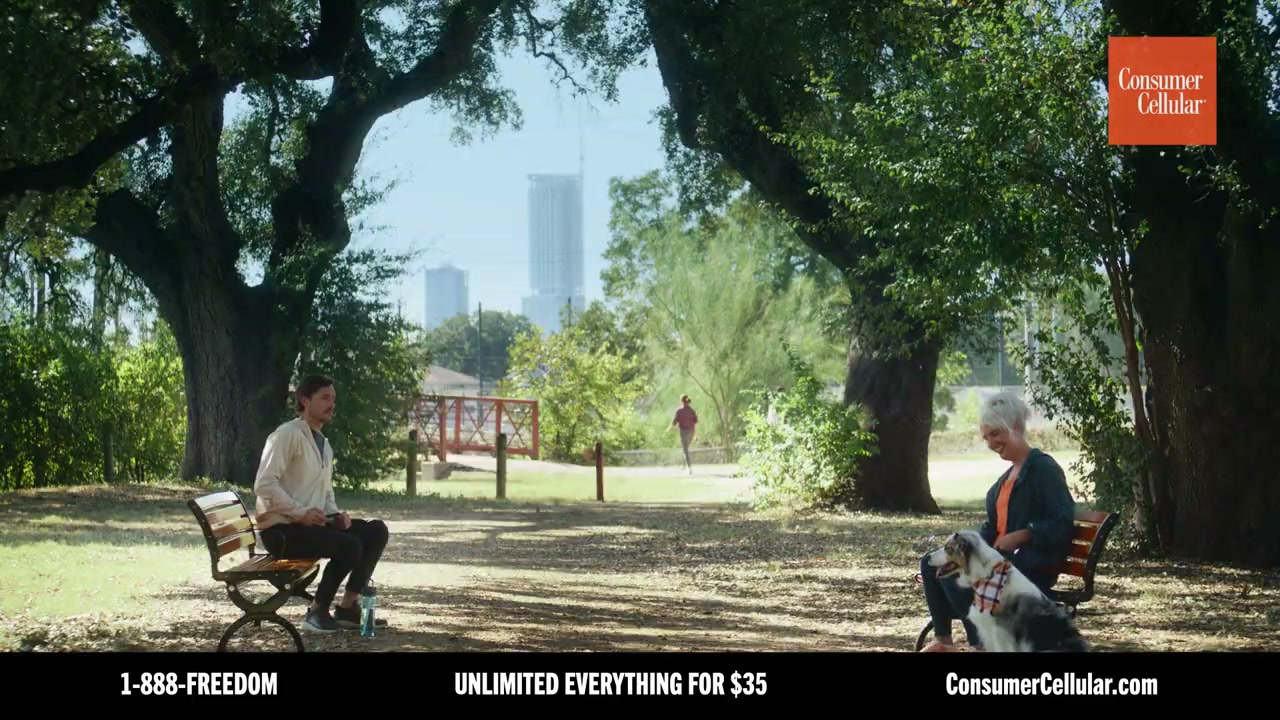
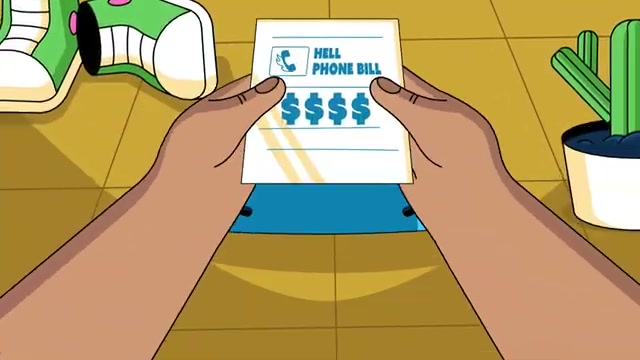
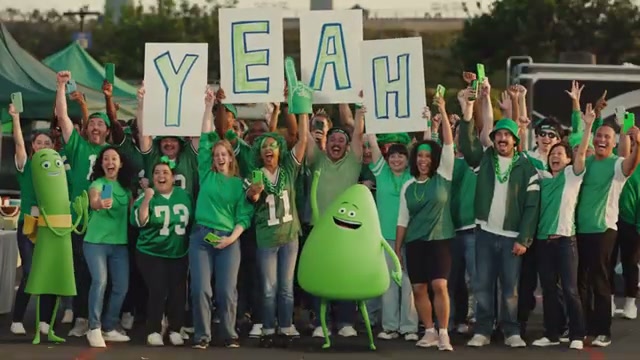
US wireless advertising proves its network where nobody lives, freezes or flattens its price into a single number, stamps every superlative over a line of fine print, and stages the competition as a villain to escape.
















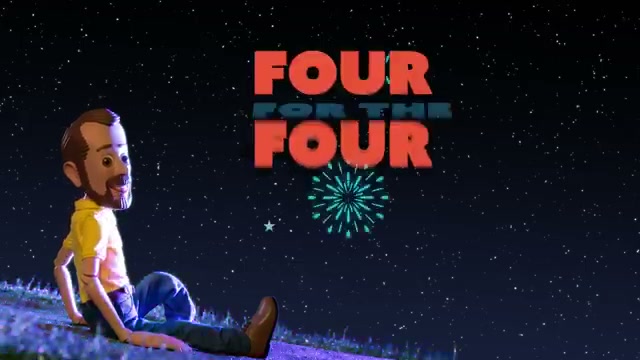
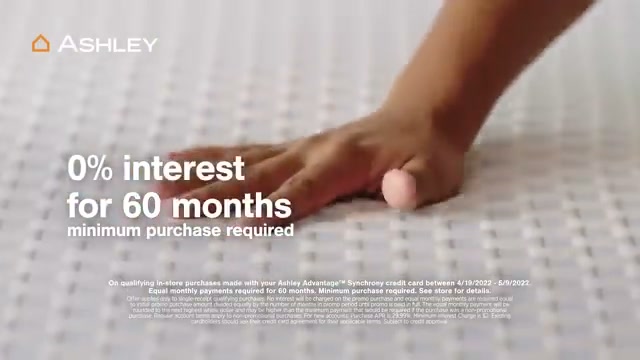
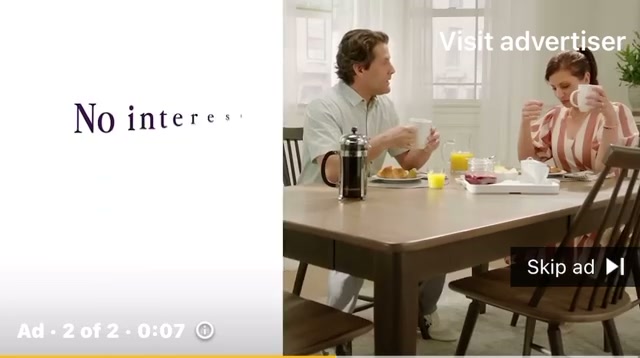
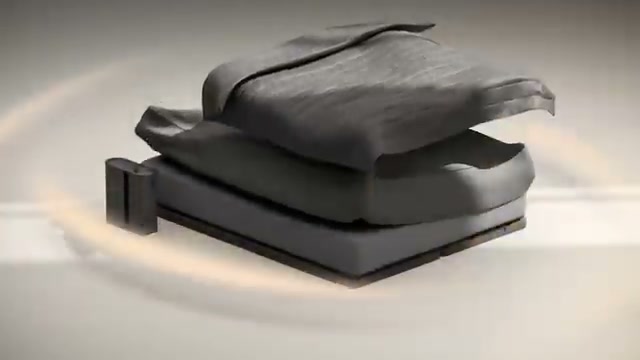
Furniture and mattress advertising cycles through a fixed set of moves — a holiday-named sale graphic, a zero-percent-interest headline trailing a block of fine print, a fully styled room reveal, a smart bed that adjusts one side while the other stays flat, a body gone slack on the new cushions, and the mattress shown in cutaway with its specs labeled.
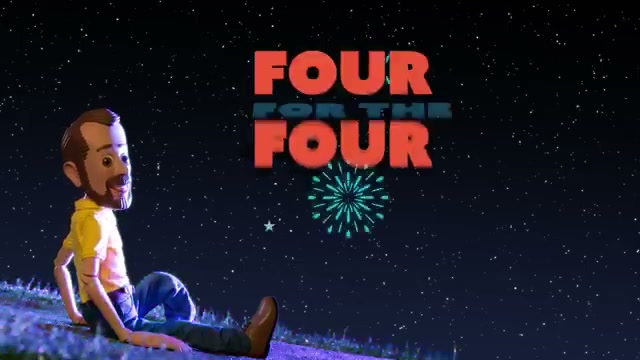














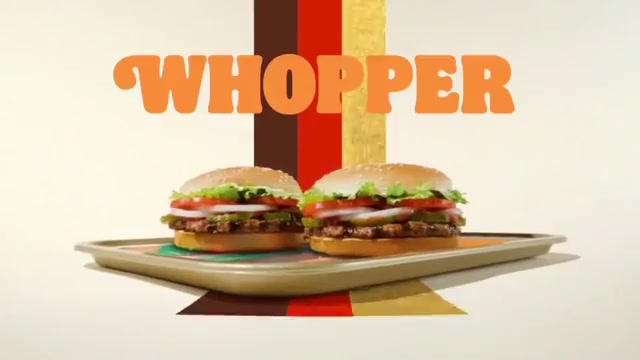
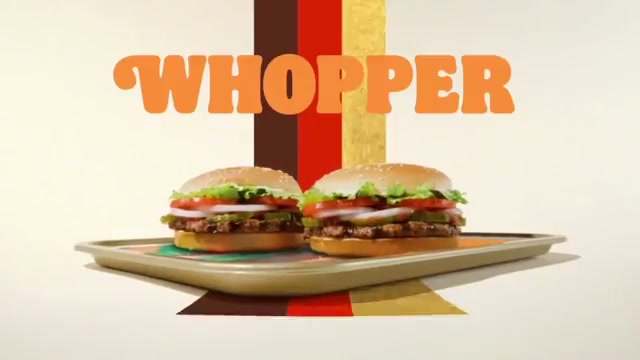
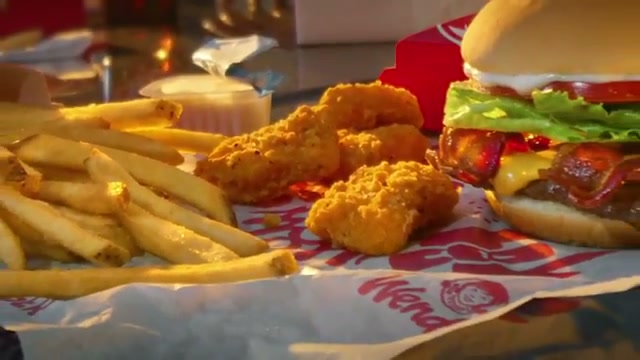
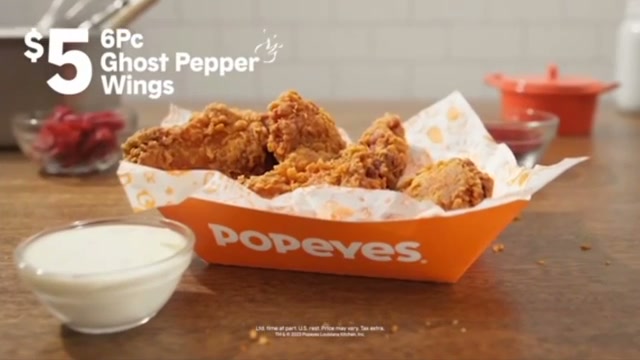
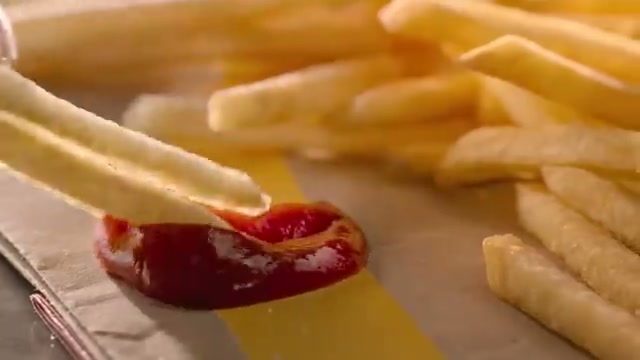
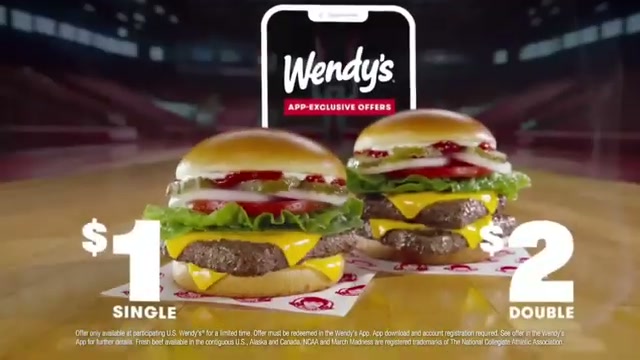
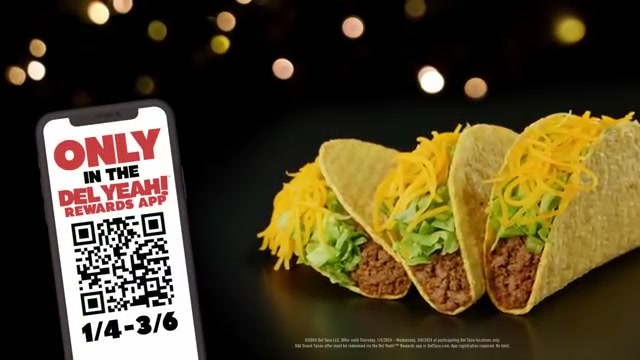
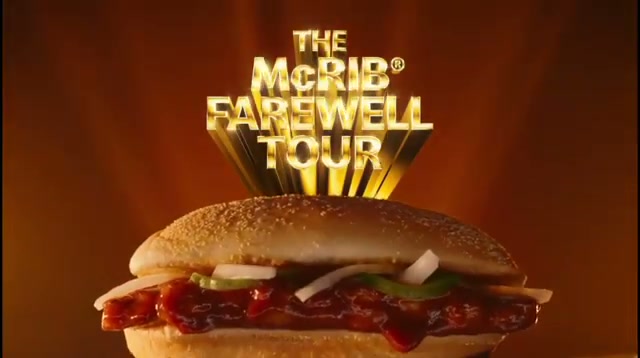
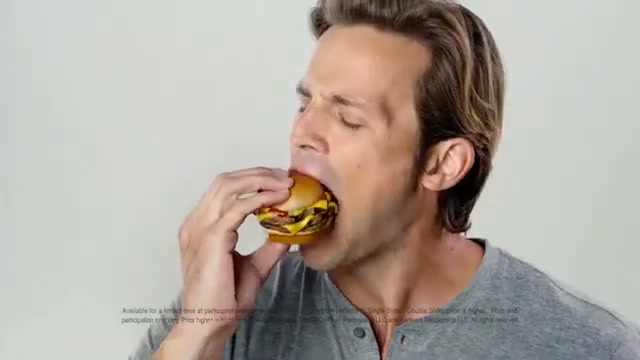
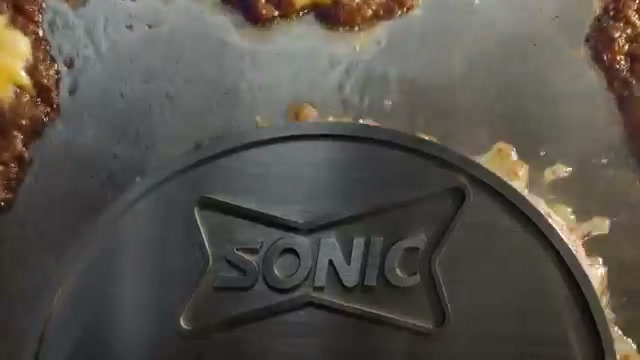
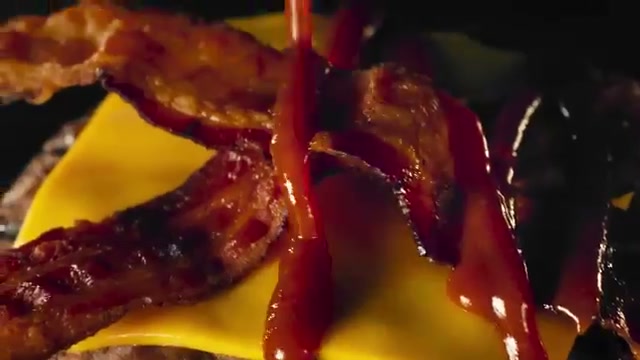
A fast-food spot poses the assembled product alone under studio light, prints the offer as on-screen text — a price, an app-only tag, a returning item's gold title card, or a celebrity's name — and shoots the cooking and the first bite in extreme close-up.




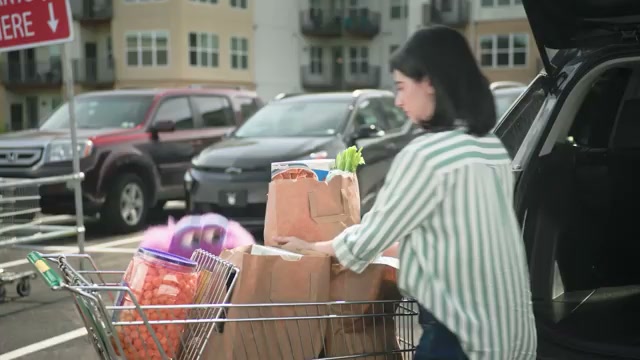
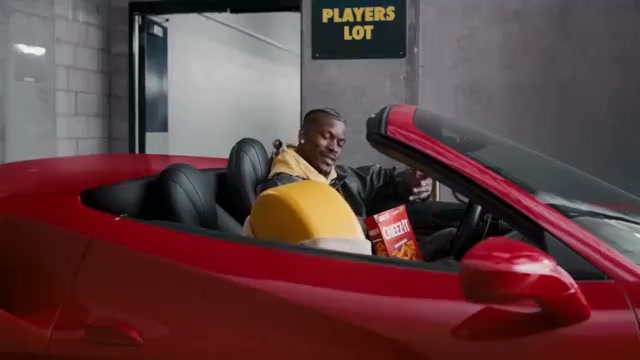
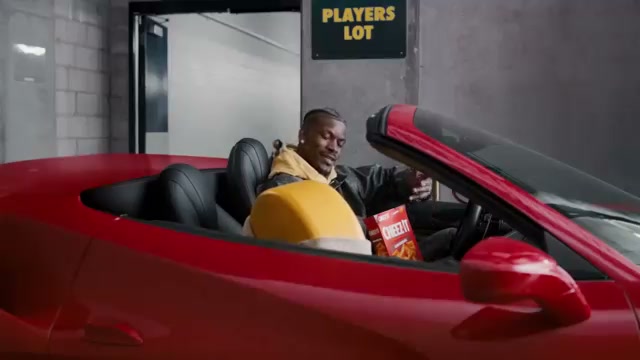
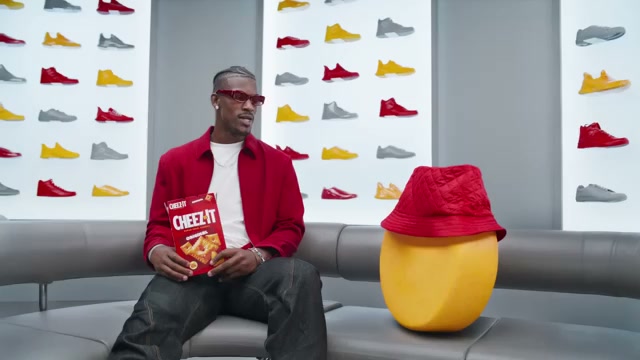
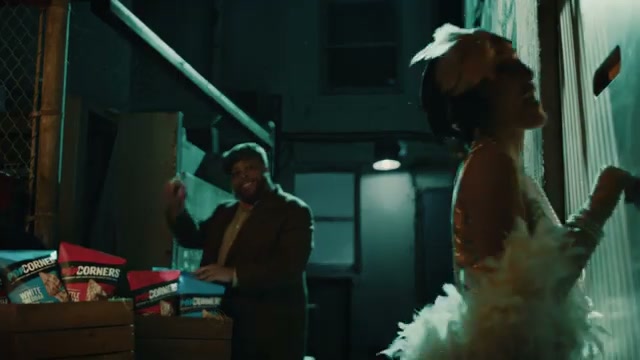
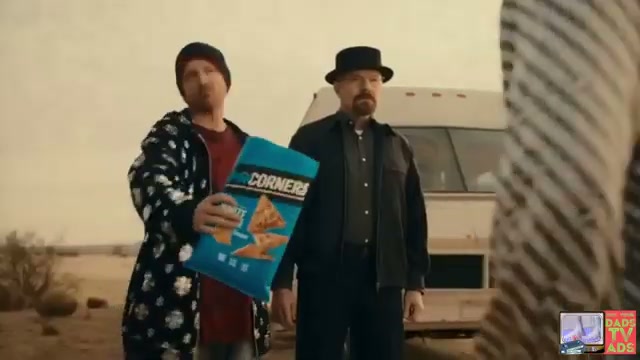
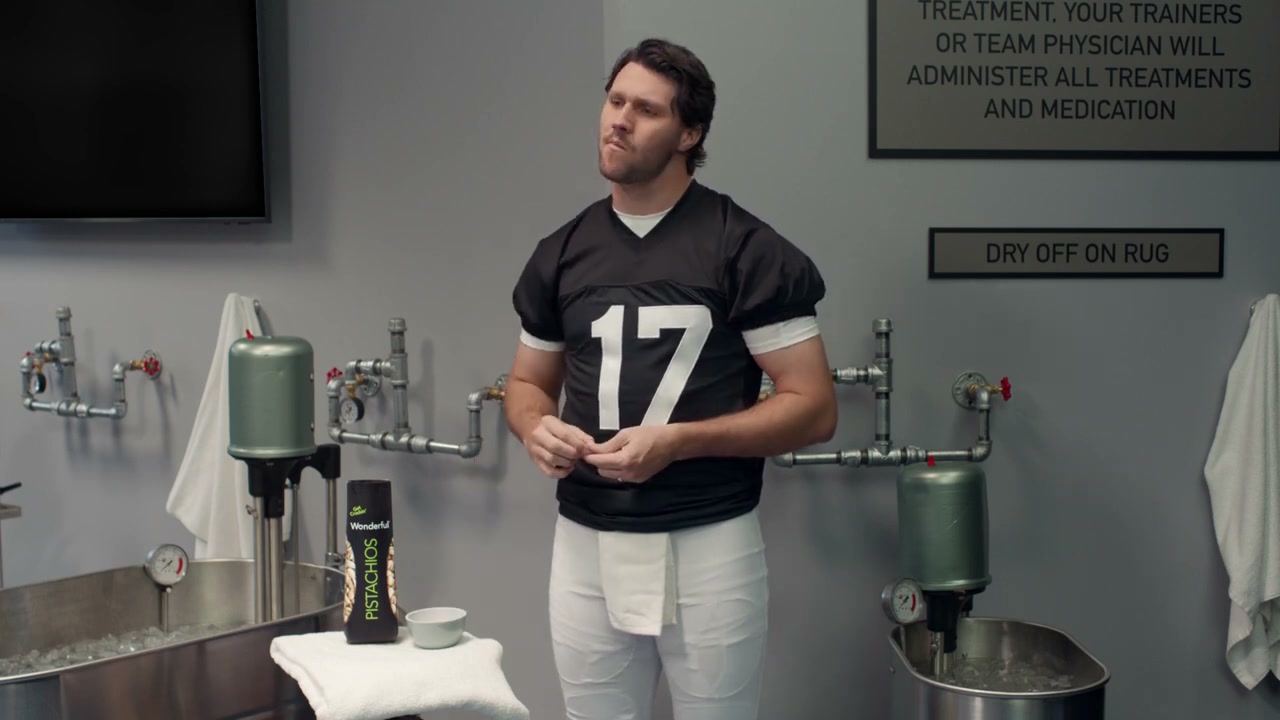
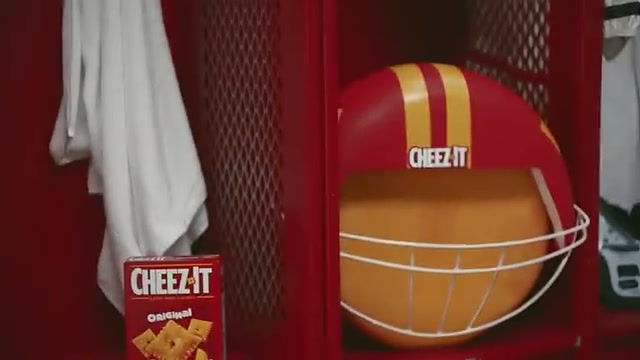
A snack ad commits to one absurd premise around the product — a giant-food colleague, a members-only club, a deadpan celebrity, or a body stuck to the can — and stages the snack as something people rearrange their errands, buildings, and bodies around.






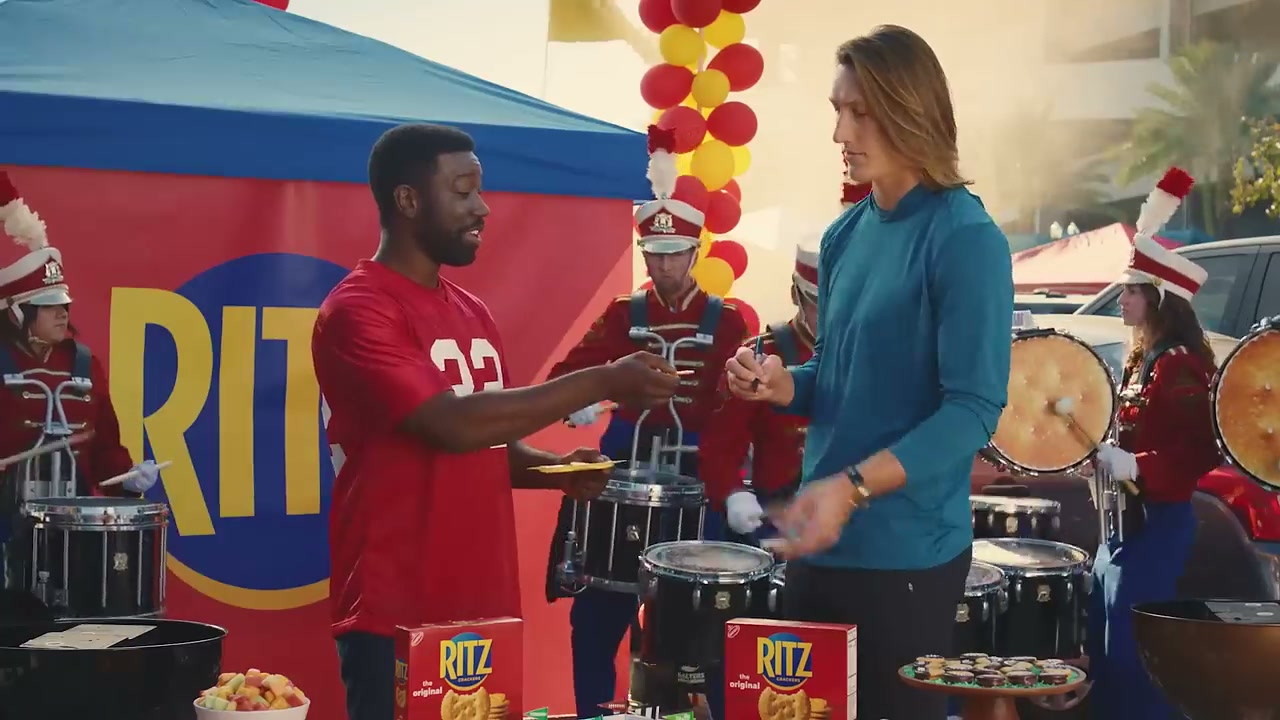
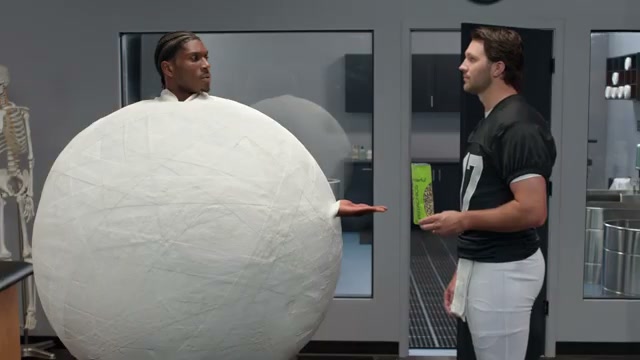
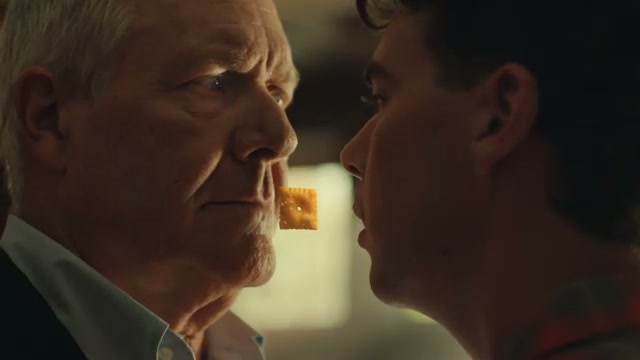

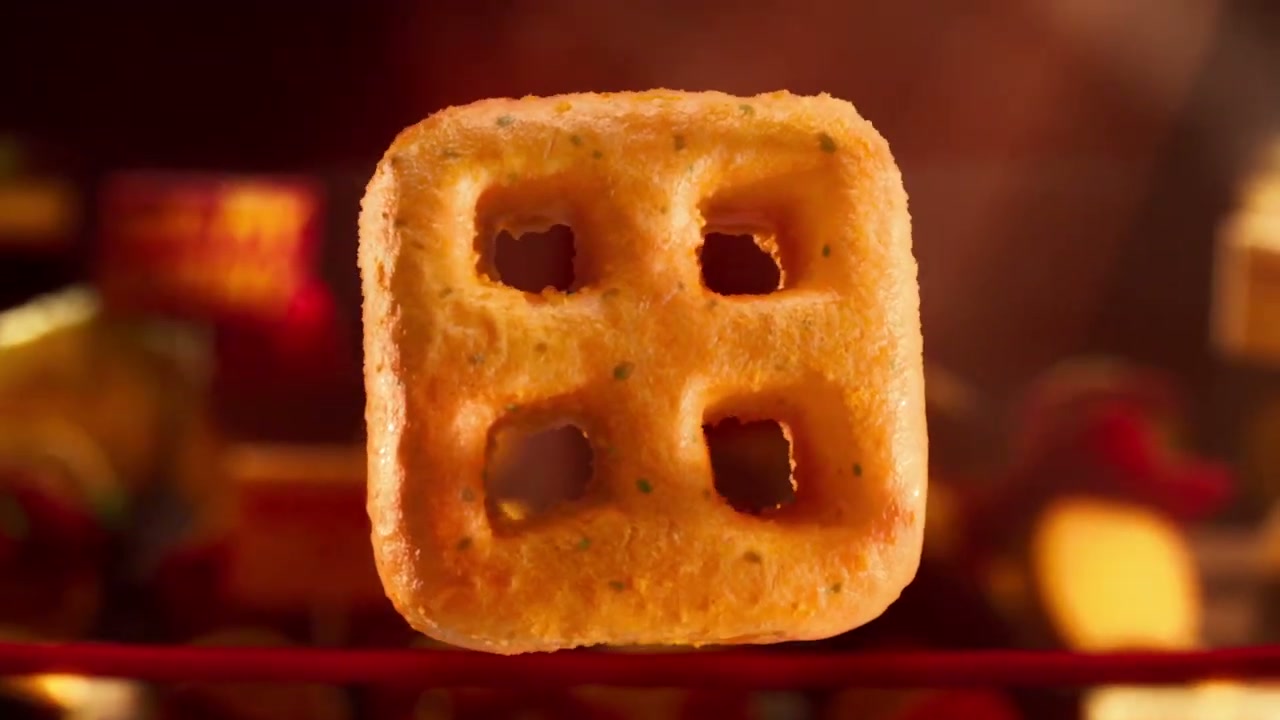
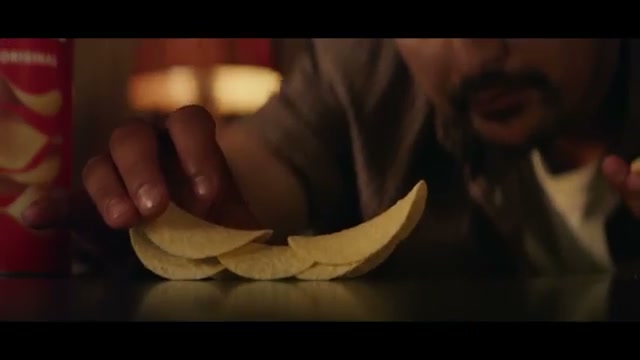

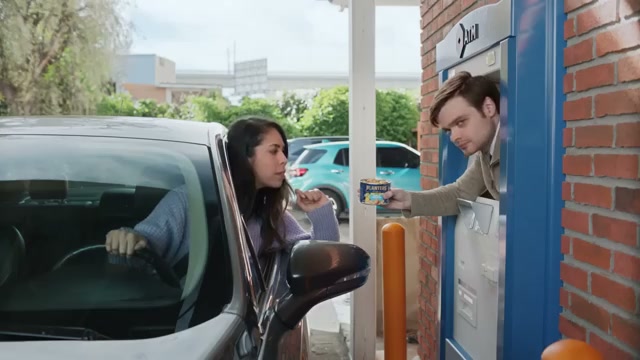
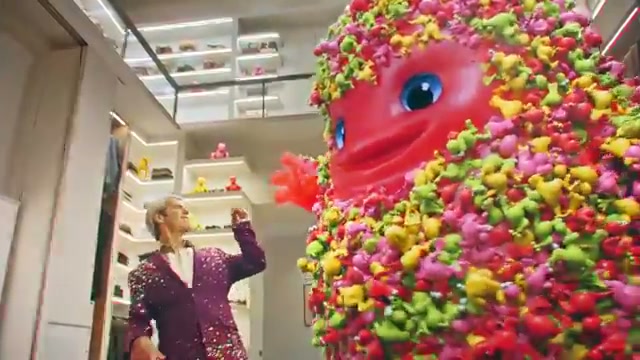
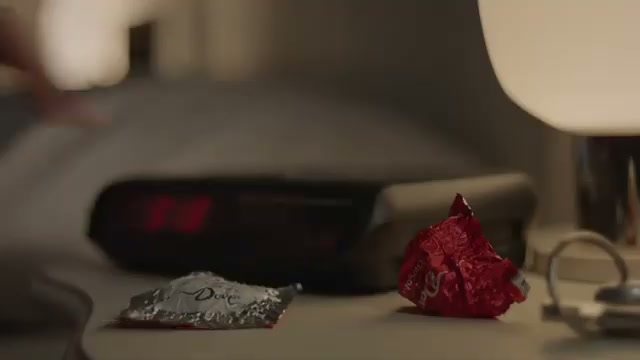
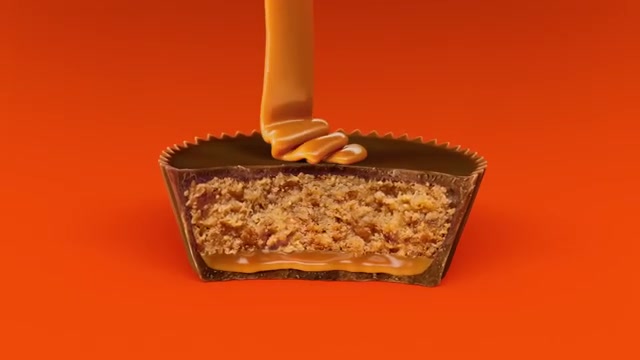
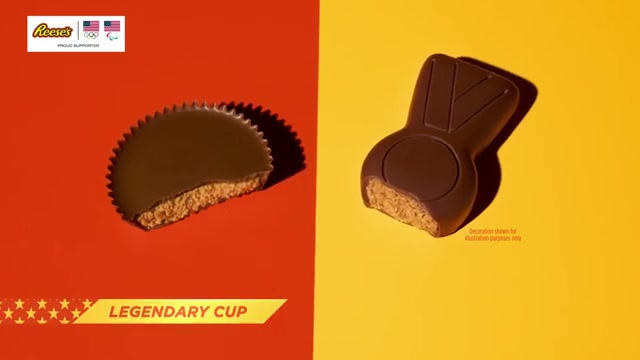
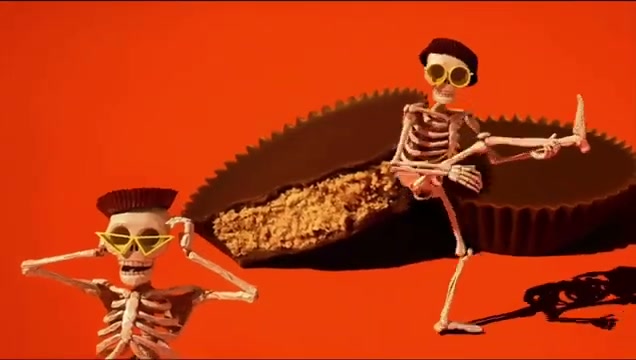
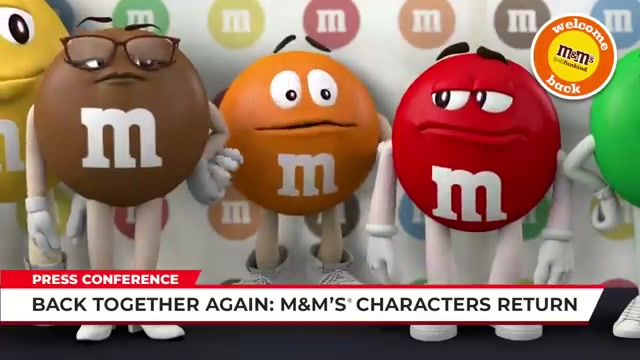
Candy is sold either by filming it as a slow-motion sensory object or by casting it as a character and staging an oversized public event around it.

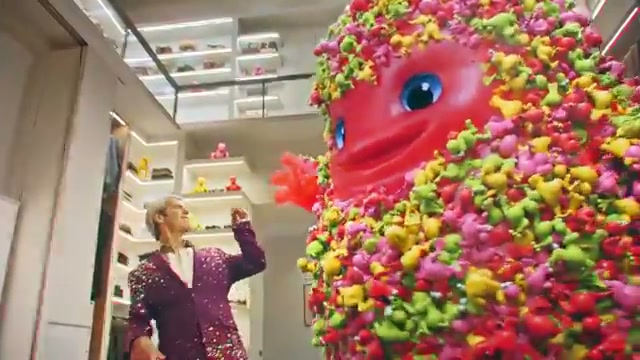












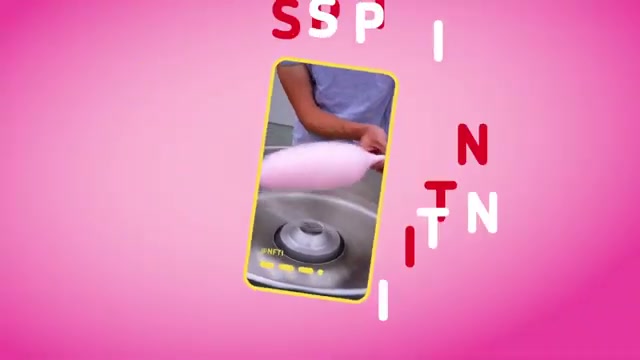

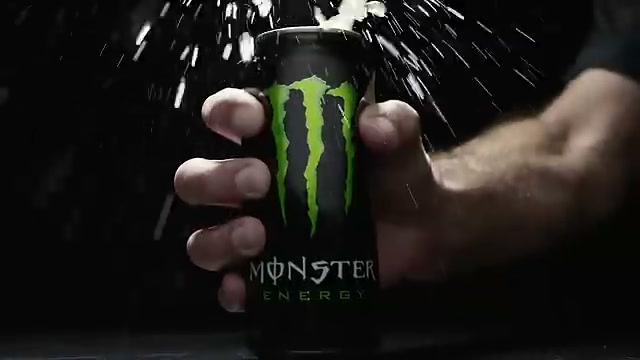
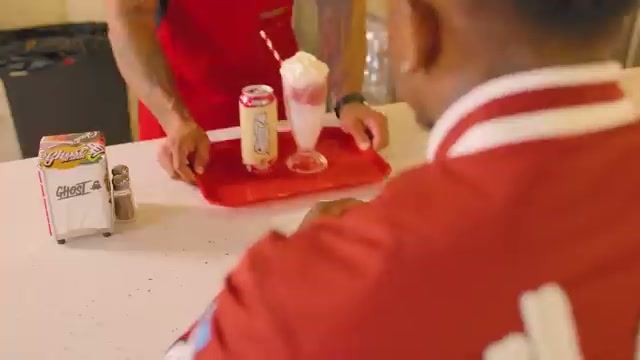
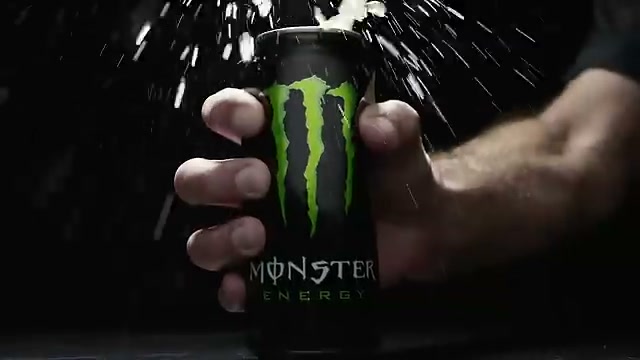
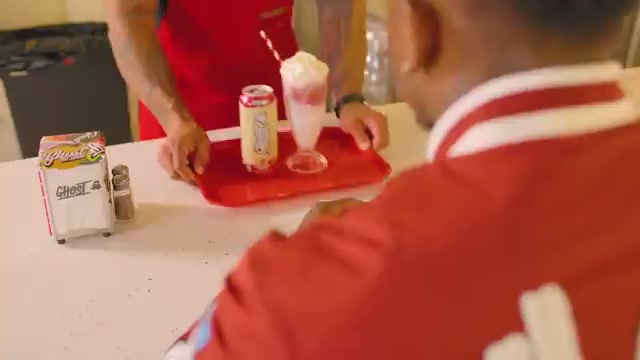
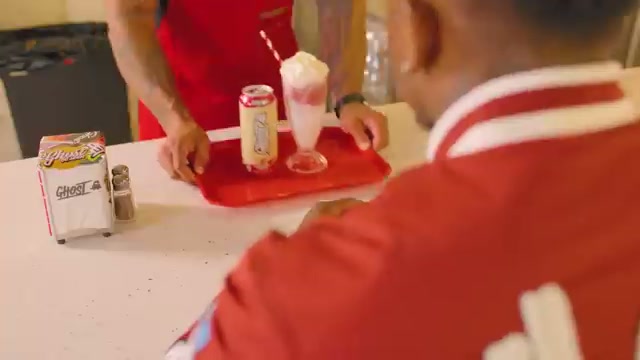
The energy-drink spot treats the can as the set's styled centerpiece — shot in hero close-up and color-matched to everything around it.

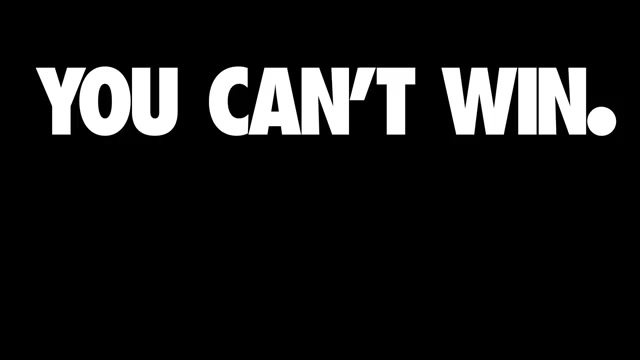
The sports spot isolates one straining athlete — sweating in close-up, exhaling, training alone in the dark — and closes on a few words of white text on a black screen.


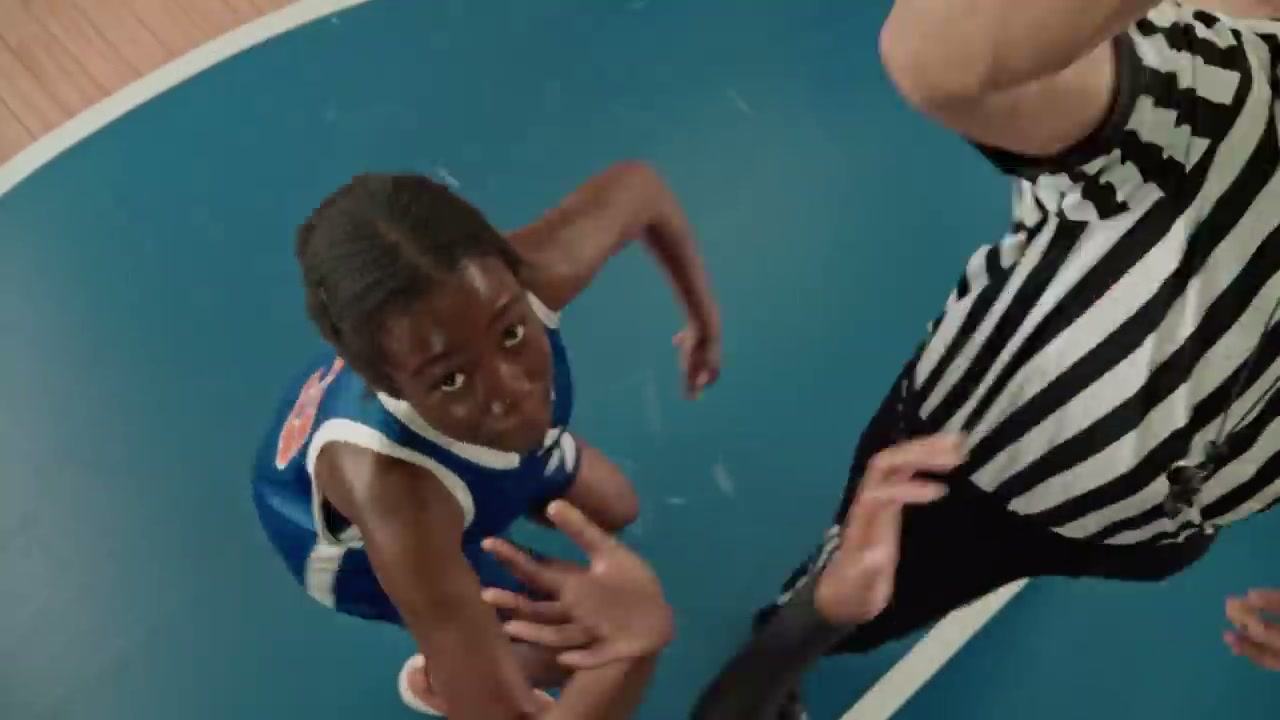








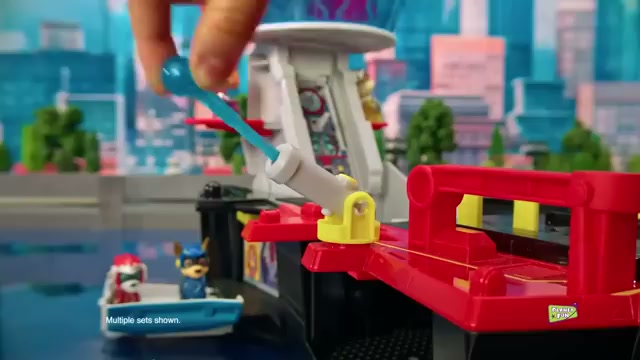
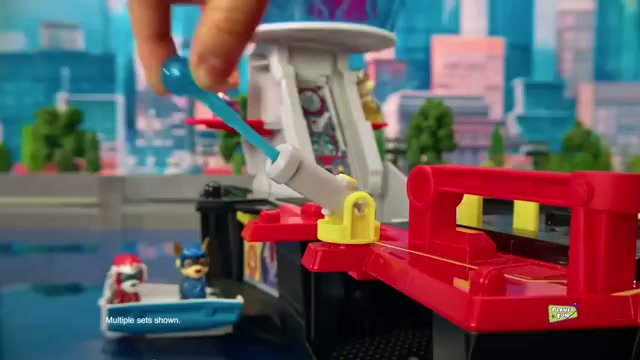
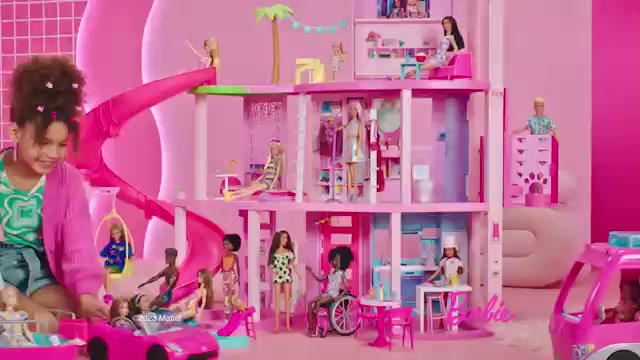
Across the confirmed spots the toy ad does one of two things: it isolates the product's signature feature under a single hand in close-up, or it swells the child's room into a full-scale version of the toy's world.




Now go
break one.
A formula is only a starting line. Name it, learn it, then build the spot that refuses it.